
Specialist Orthodontist

Orthodontic Problems We Treat
Your smile plays a big role in first impressions. If you feel self‑conscious about crooked or misaligned teeth, you’re not alone
Orthodontic problems (malocclusions) are common in children, teenagers, and adults.
On this page, we outline common orthodontic problems, what causes them, how they affect your bite and oral health, and how specialist treatment can help.
Common Orthodontic Problems

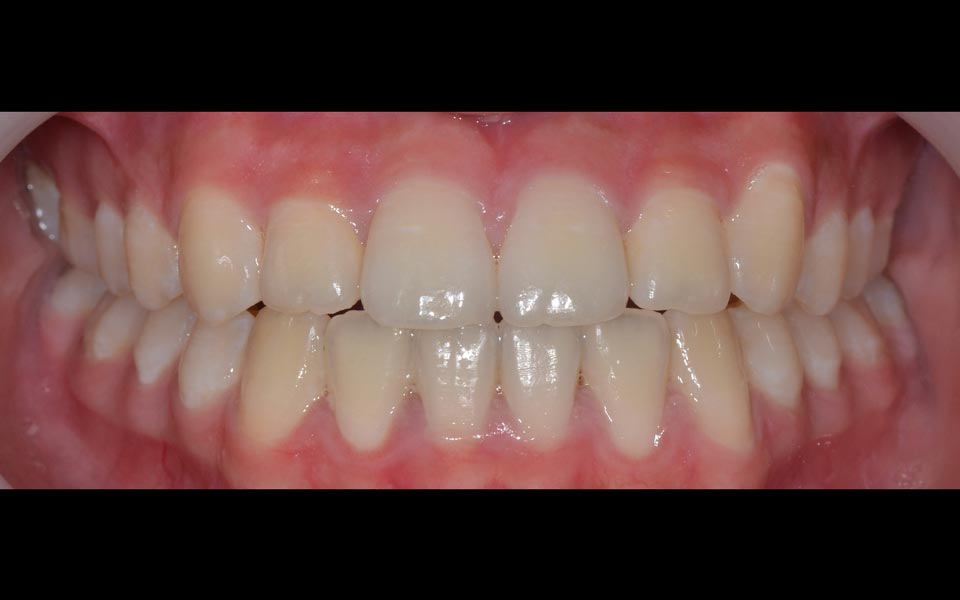
Open Bite
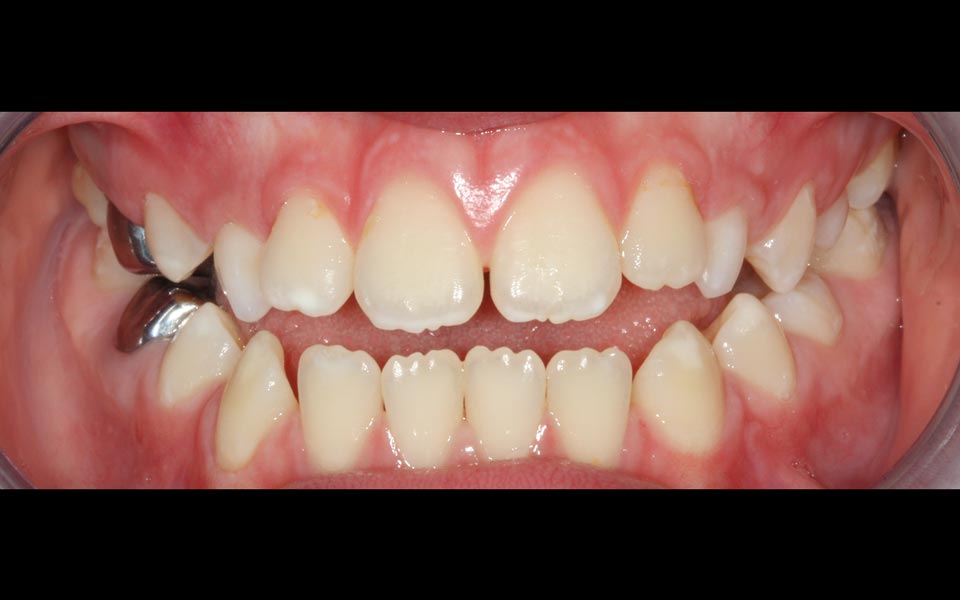
An open bite occurs when the upper and lower teeth do not meet when the mouth is closed. It can affect the front teeth, back teeth, or both.
- Causes:
- Common causes include thumb sucking, tongue thrusting, improper mouthguard use, or genetic factors.
- Impact:
- An open bite can make it difficult to bite into foods and may also affect speech clarity.
- Treatment:
- This case was treated using metal braces combined with jaw‑growth appliances. (20 months)
Crossbite
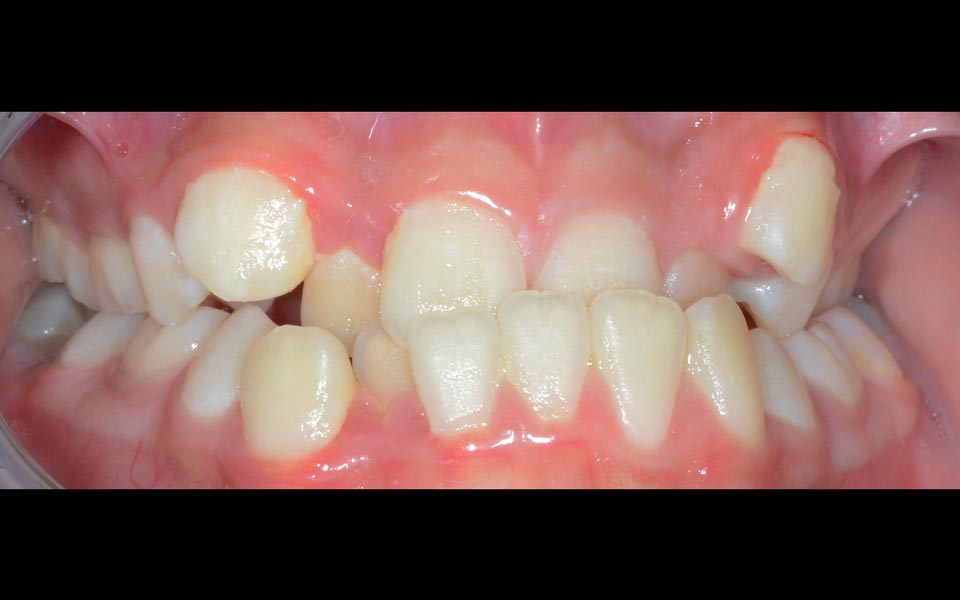
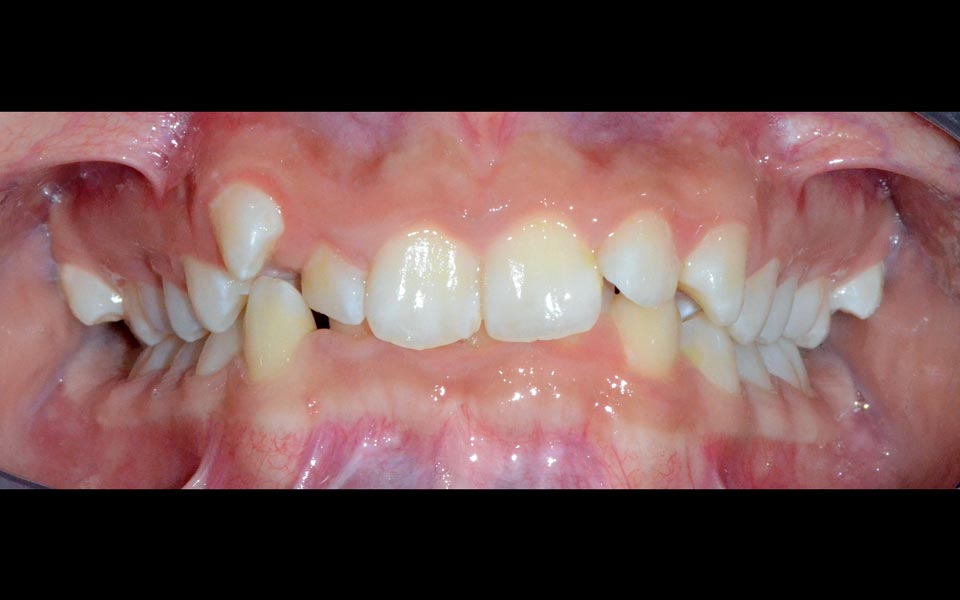
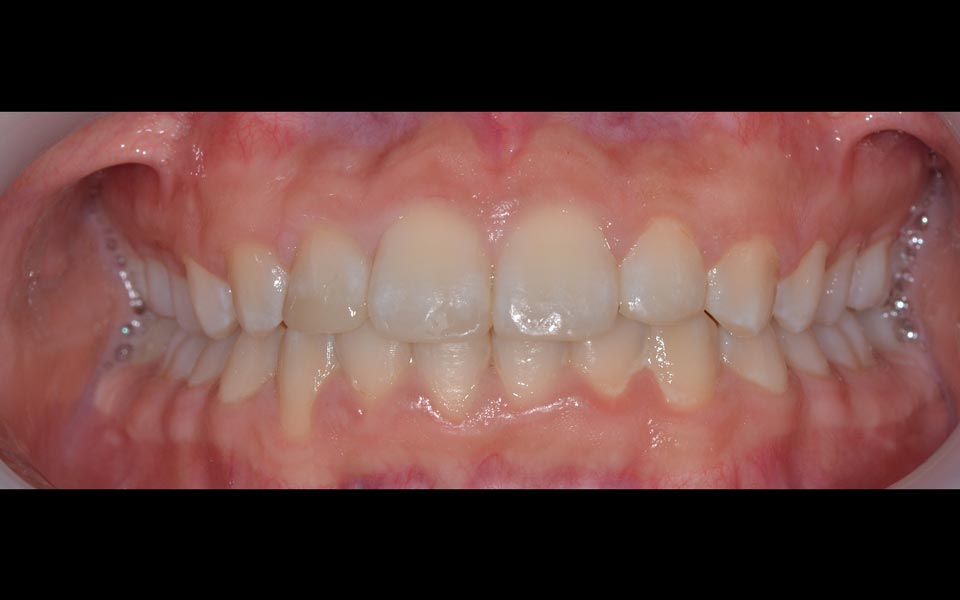
A crossbite occurs when some of the upper teeth bite inside the lower teeth instead of outside them. It can affect the front teeth, back teeth, or both.
- Causes:
- Crossbite may be caused by genetics, missing teeth, thumb sucking, or early loss of baby teeth.
- Impact:
- A crossbite can lead to uneven tooth wear, jaw strain, and difficulty chewing. It may also affect facial symmetry over time.
- Treatment:
- This case was treated with an expansion appliance followed by conventional metal braces. (28 months)
Deep Bite
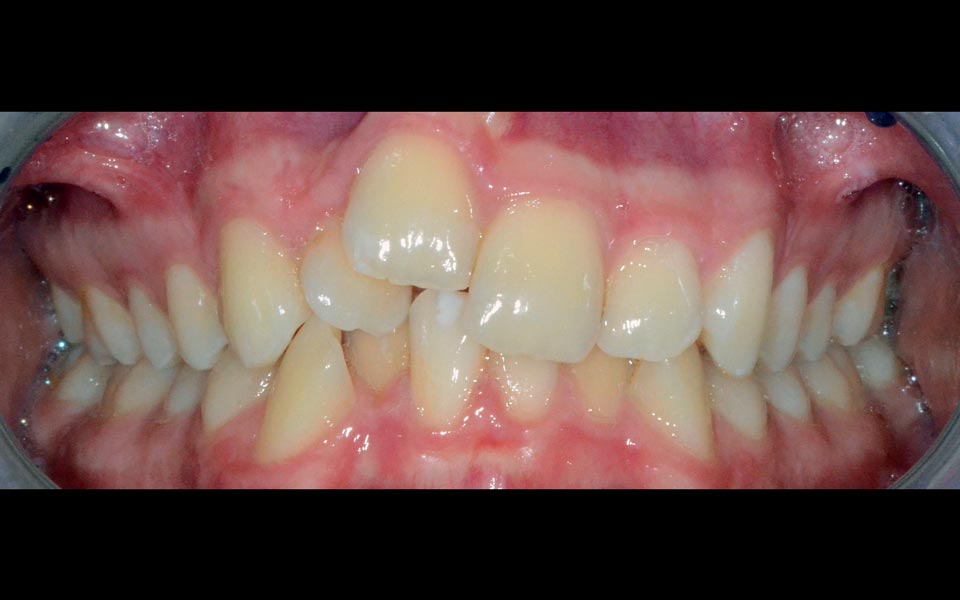
A deep bite occurs when the upper front teeth excessively overlap and cover the lower front teeth, often more than two‑thirds.
- Causes:
- Deep bite can be related to genetics, jaw growth patterns, or long‑standing childhood habits.
- Impact:
- It can cause significant tooth wear and trauma to the gums behind the upper front teeth, sometimes leading to gum recession.
- Treatment:
- This case was treated using tooth‑coloured ceramic braces with bite‑opening mechanics. (27 months)
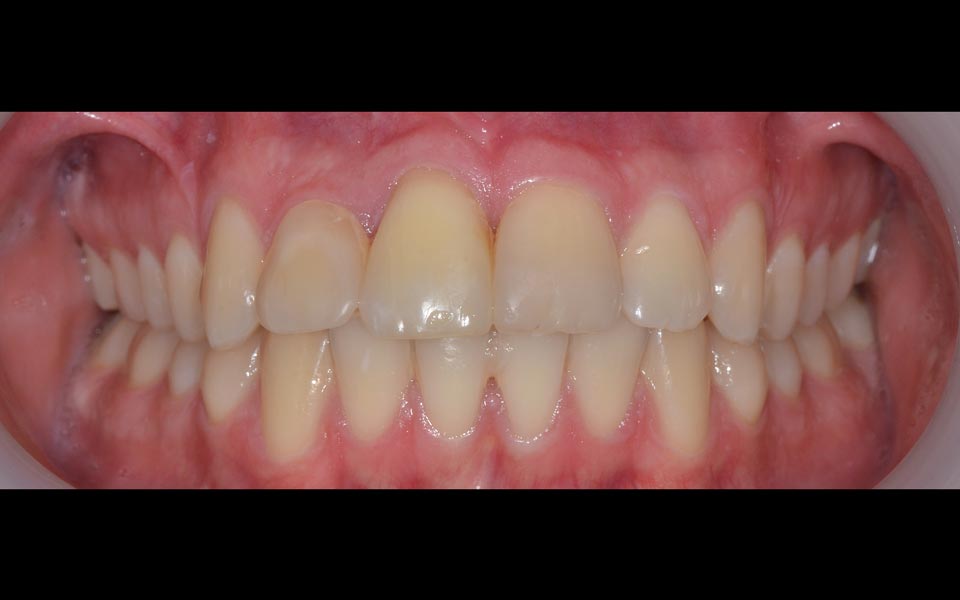
Dental Trauma
Dental trauma can lead to displacement, damage, or loss of teeth from an external impact. In this case, the upper left front tooth was knocked and became fused to the bone.
Dental trauma should always be assessed and managed promptly.
- Causes:
- Trauma can result from falls, accidents, or sports injuries, and may cause loosened, chipped, fractured, or avulsed (knocked‑out) teeth.
- Impact:
- Trauma can affect your bite, speech, and chewing. Orthodontic treatment can help reposition teeth and improve both function and appearance.
- Treatment:
- This case was treated with minor oral surgery and metal braces, with a successful outcome. (18 months)
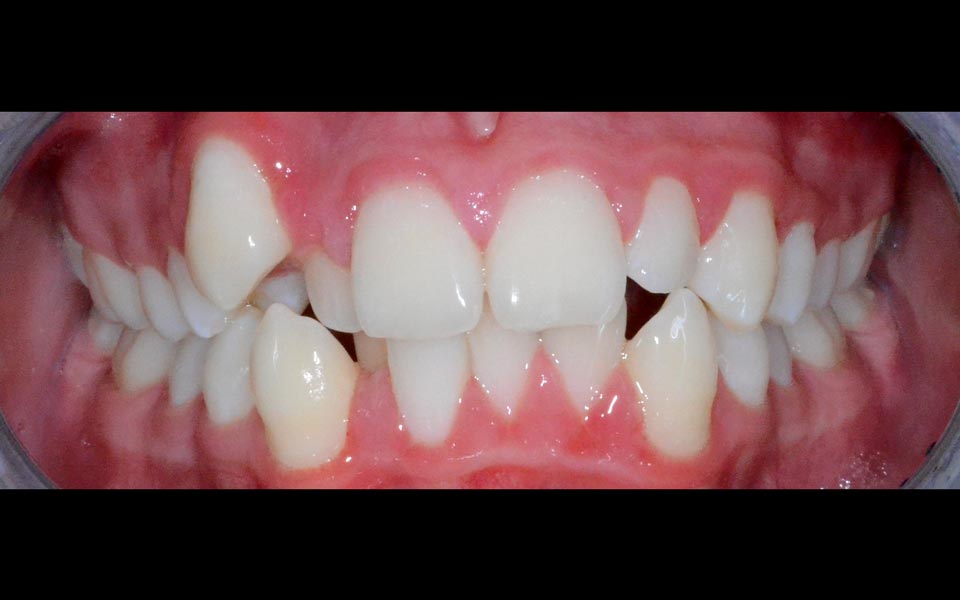
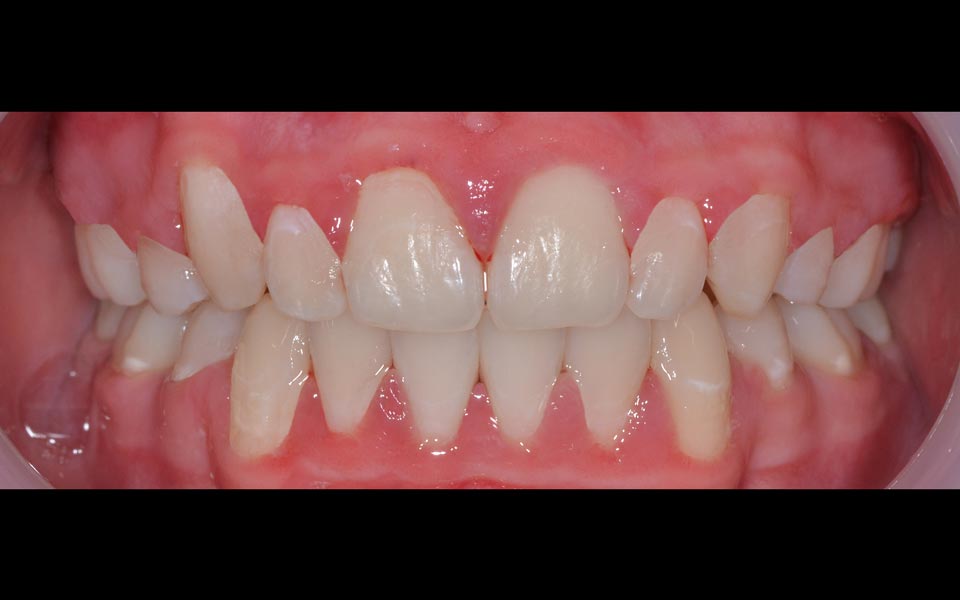
Crowded Teeth
Crowded teeth occur when there is not enough space in the jaw for all the teeth to align properly. This mismatch between tooth size and jaw size can increase the risk of tooth decay and gum problems.
- Causes:
- Genetics, a smaller jaw, or extra teeth can all contribute to dental crowding.
- Impact:
- Crowded teeth can be difficult to clean effectively, increasing the risk of cavities and gum disease. They may also affect your bite and speech.
- Treatment:
- This case was treated using tooth‑coloured ceramic braces, achieving a very positive outcome. (24 months)
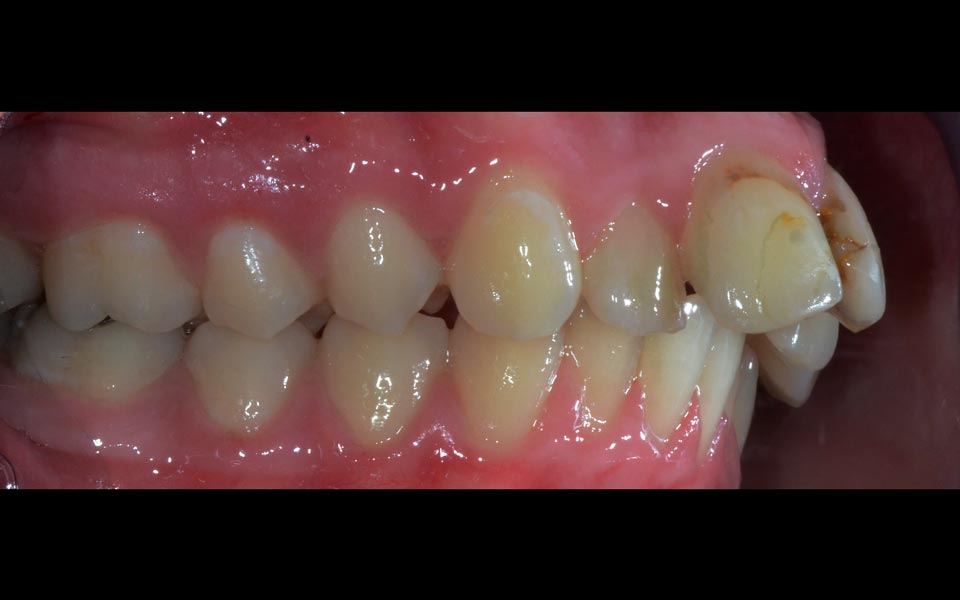
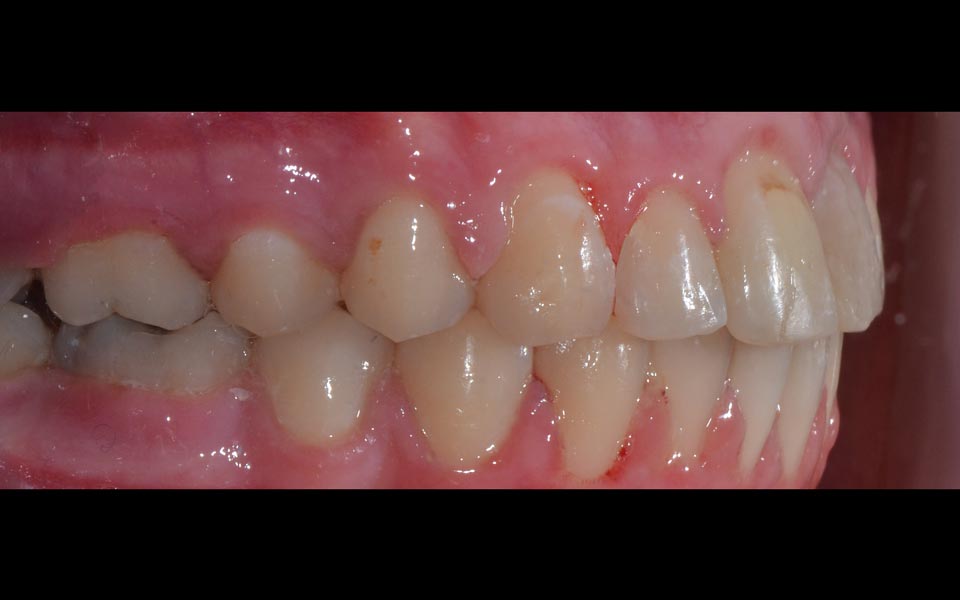
Overjet - Child/Adolescent
An increased overjet occurs when the upper front teeth extend significantly forward beyond the lower teeth. A small overjet (up to about 2 mm) is normal, but a larger overjet can affect appearance and speech.
- Causes:
- Genetics and childhood habits such as thumb sucking or prolonged dummy use can contribute to increased overjet.
- Impact:
- A pronounced overjet can make the upper front teeth more prone to injury and may affect speech clarity and facial balance.
- Treatment:
- This case was treated with a growth‑modification appliance followed by conventional metal braces. (24 months)
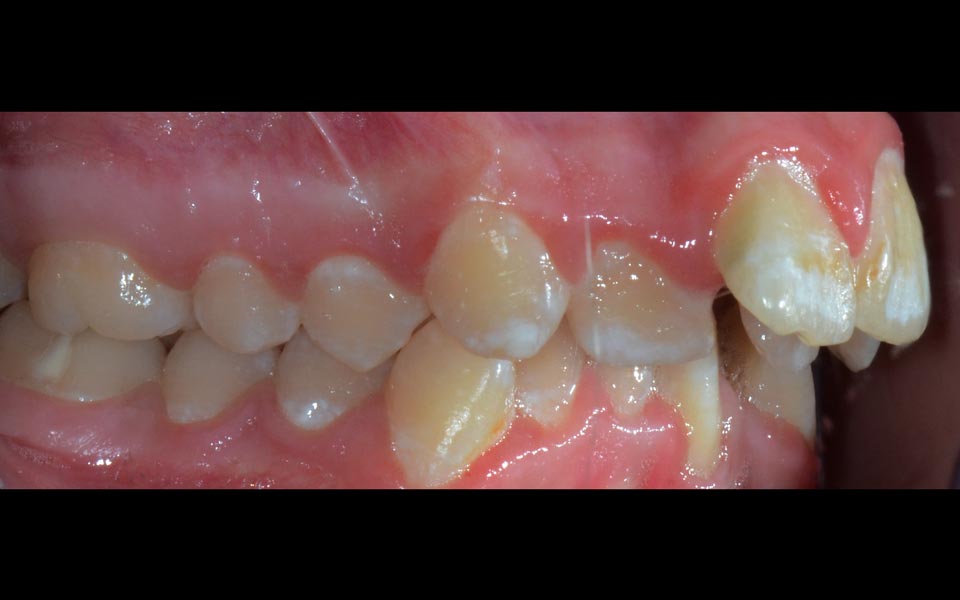
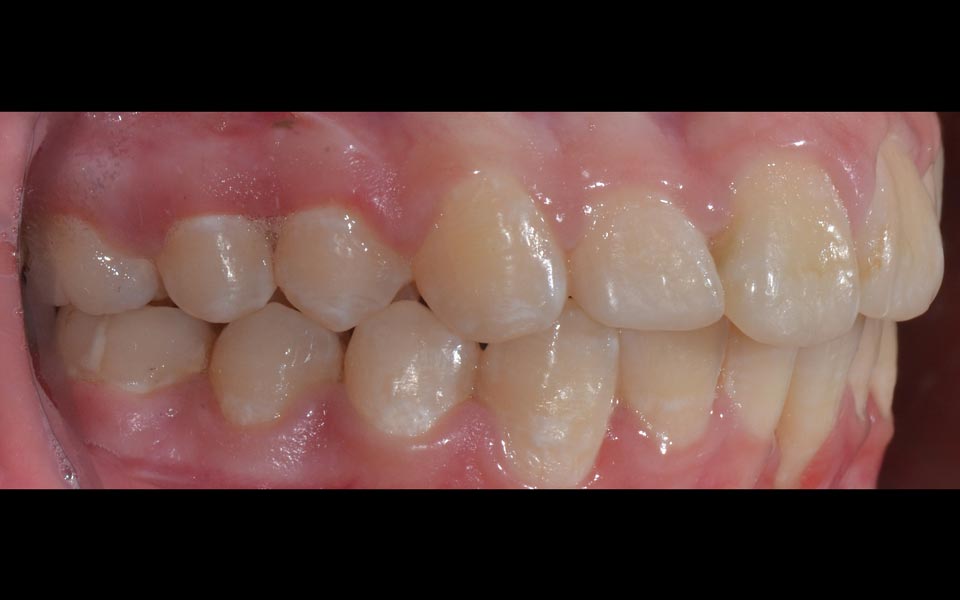
Overjet - Adult
In adults, an increased overjet describes upper front teeth that protrude noticeably beyond the lower teeth. Even if a small overjet is normal, a larger overjet can affect both appearance and function.
- Causes:
- Adult overjet may be due to underlying jaw imbalance, genetics, or changes over time after earlier orthodontic treatment.
- Impact:
- A pronounced overjet can increase the risk of trauma to the upper front teeth and may affect speech and facial aesthetics.
- Treatment:
- This case was managed with minor oral surgery combined with conventional metal braces. (24 months)
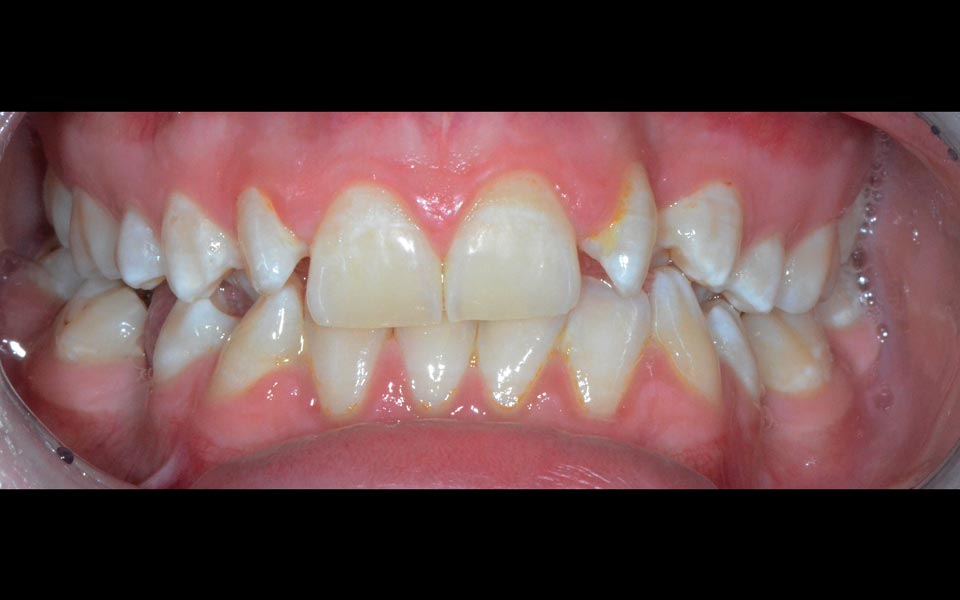
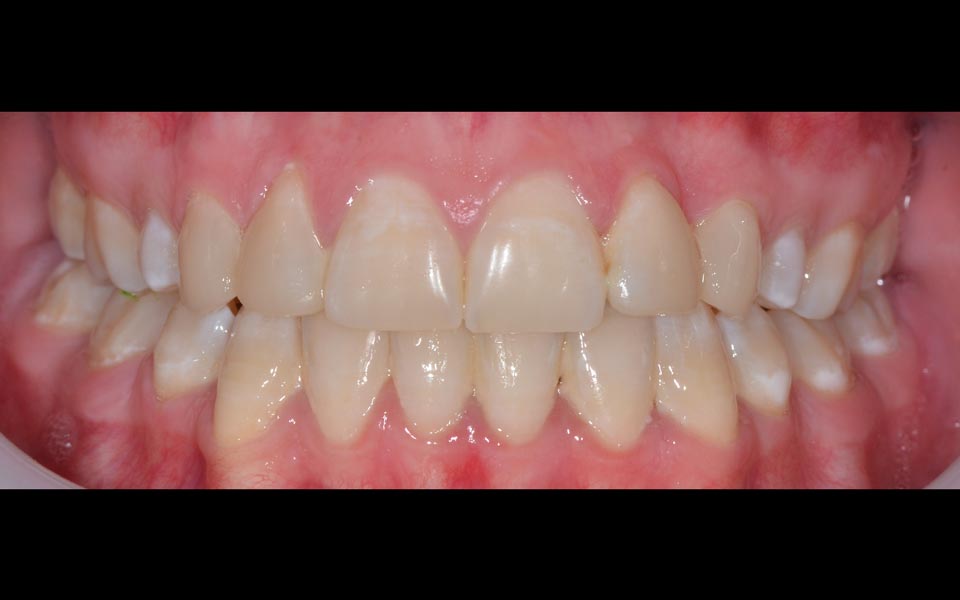
Spacing
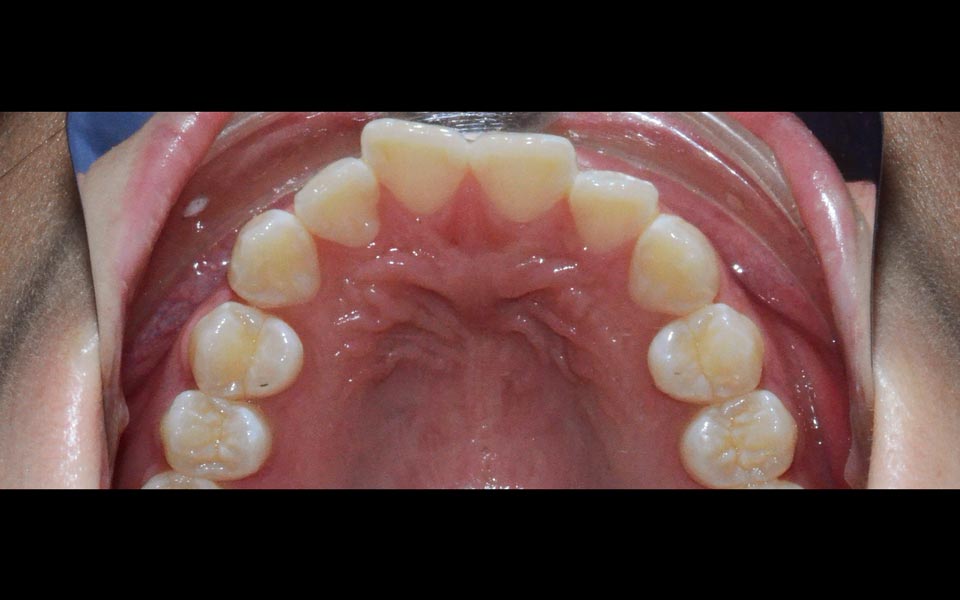
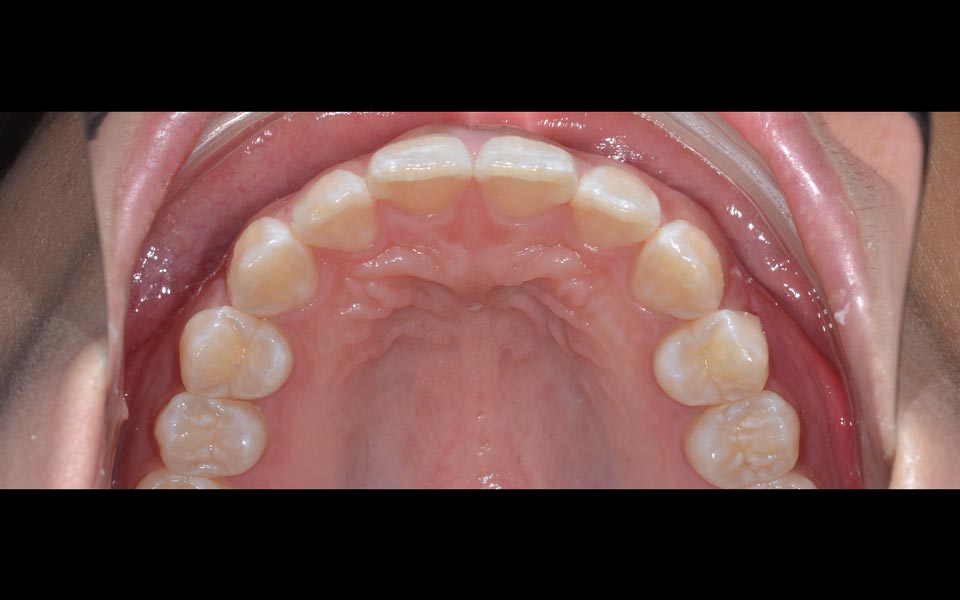
Spacing refers to gaps between teeth when there is more space in the jaw than the teeth require. It often results from an imbalance between tooth size, tooth number, and jaw size.
- Causes:
- Spacing can be caused by missing teeth, smaller‑than‑average teeth, a larger jawbone, or habits such as tongue thrusting.
- Impact:
- Gaps can affect speech and may trap food, making cleaning more difficult. Many people also seek treatment for cosmetic reasons.
- Treatment:
- This missing‑teeth case was treated effectively with lingual (hidden) braces. (25 months)
Adult or Post-adolescent Relapse
Teeth continue to move throughout life, even after orthodontic treatment. Relapse occurs when teeth shift from their corrected positions over time.
- Causes:
- Factors include natural ageing, changes in bone and soft tissues, and not wearing retainers as recommended.
- Impact:
- Shifting teeth can affect your bite and the appearance of your smile. Retainers are essential to help maintain results after treatment.
- Treatment:
- This relapse case was treated with clear aligners followed by diligent retainer wear. (6 months)

Dr Carolyn Ng - Specialist Orthodontist Hawthorn
Orthodontic problems can feel overwhelming, especially when they affect your confidence, comfort or day‑to‑day life.
Dr Carolyn understands this deeply. Her warm, thoughtful approach is built on the belief that every patient deserves to feel heard, supported and cared for throughout their treatment journey.
Using modern digital tools and evidence‑based techniques, she focuses on creating treatment plans that are precise, gentle and tailored to your unique needs. Whether you're exploring braces, aligners or early guidance for a child, Dr Carolyn’s goal is simple: to help you feel comfortable, informed and confident every step of the way.
The information on this website is general in nature and may not apply to your individual circumstances. Any surgical or invasive procedure carries risks. Please consider whether this information is suitable for you, and seek personalised advice from a qualified dental professional.
Frequently Asked Questions
Related Articles

Metal Braces: A Reliable Orthodontic Option
Metal braces are the most well-established fixed orthodontic appliance available. They are suitable for the full range of orthodontic presentations and remain the benchmark against which other options are compared. Here is what to know before considering them.
Read more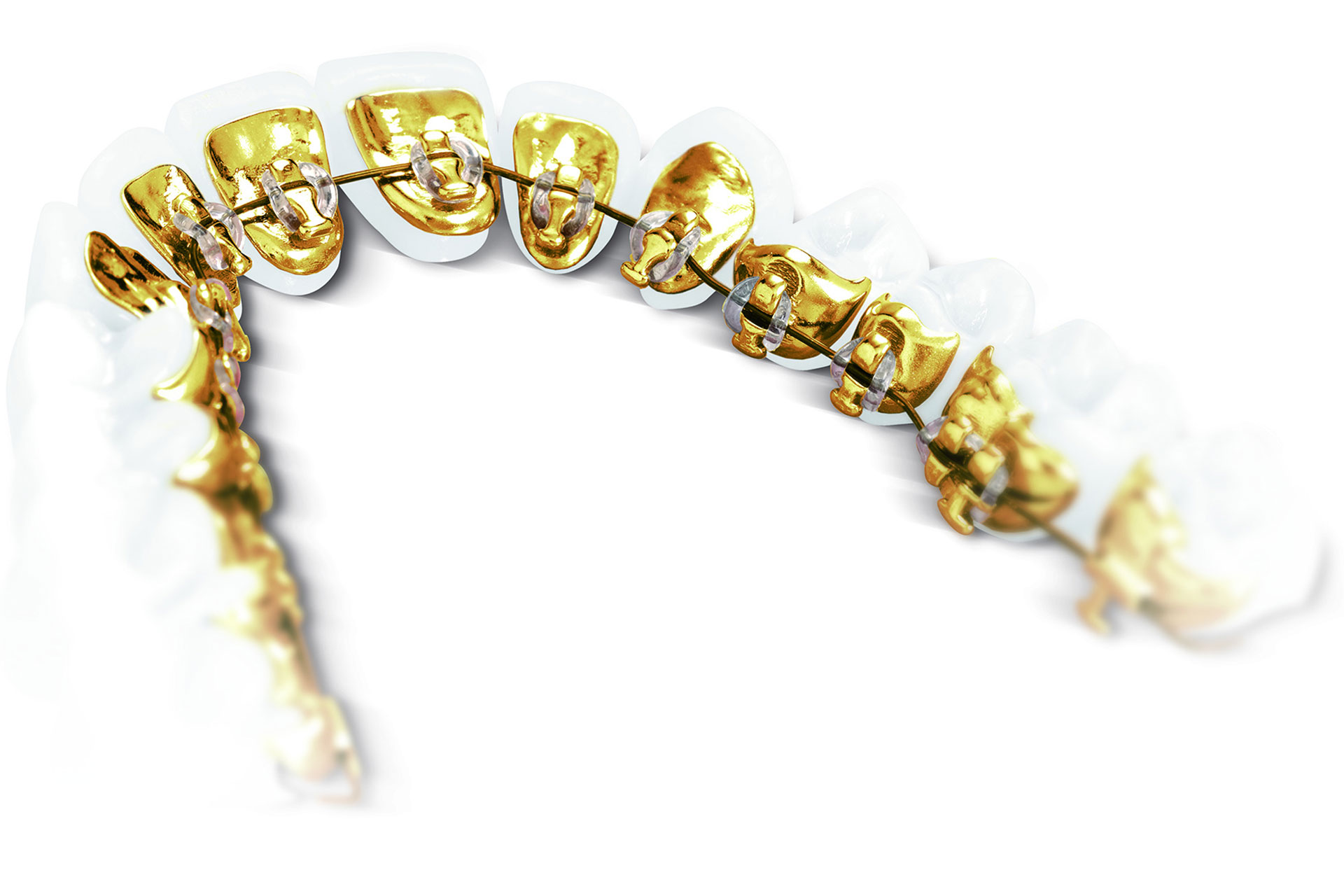
Lingual Braces: Orthodontic Treatment That Stays Hidden
Lingual braces attach to the back of the teeth, making them completely invisible from the front. For patients who want the precision of fixed orthodontic treatment without visible hardware, they are worth understanding in detail.
Read more
When Is the Right Time for Orthodontic Treatment?
The right time for orthodontic treatment depends on the individual rather than age alone. For children, timing is influenced by dental development and jaw growth. For adults, it is rarely too late. Here is what to understand at each stage of life.
Read more
Orthodontist Hawthorn