

Specialist Orthodontist

Early Orthodontic Treatment in Hawthorn
Early orthodontic treatment, also known as interceptive orthodontics, focuses on guiding the growth of a child’s teeth and jaws during their most important developmental years.
By identifying concerns early, we can often prevent more complex issues later and support healthy, confident smiles as children grow.
Many families in Hawthorn, Kew, Camberwell and surrounding suburbs choose early assessments to ensure their child’s smile develops in the healthiest way possible.
What Is Early Orthodontic Treatment?

Interceptive orthodontics is a proactive approach designed for children aged 6 to 10, when the jaw is still growing and most responsive to gentle guidance.
At this stage, an orthodontist can detect developing issues that may not yet be visible to parents — such as early crowding, subtle bite discrepancies, or habits that influence jaw growth.
Guide jaw development
Supporting balanced facial growth and helping the jaws develop in harmony.
Create space for adult teeth
Reducing the risk of crowding and lowering the chance of needing extractions later.
Correct developing bite issues
Addressing crossbites, open bites and developing jaw discrepancies while the jaw is still responsive to gentle guidance.
Manage habits affecting growth
Helping children overcome habits such as thumb sucking, tongue thrusting or mouth breathing.
Support long‑term oral health
Improving alignment early makes it easier to clean teeth and maintain healthy gums.
Benefits of Interceptive Orthodontic Treatment

Early orthodontic care offers meaningful advantages for both children and parents.
By working with a child’s natural growth patterns, we can often achieve changes that would be far more challenging once the jaw has finished developing.
Improved oral health
Improving alignment early makes it easier to clean teeth and maintain healthy gums.
Better facial balance
Guiding jaw growth can enhance facial harmony and support confident development.
Simplified future treatment
Phase 1 treatment can shorten or reduce the need for braces during adolescence.
More comfortable function
A well‑aligned bite supports clearer speech, easier chewing and long‑term jaw comfort.
Higher success rates
Treating issues during growth years can lead to more stable, predictable outcomes.

Orthodontists are constantly aware that there are hidden pitfalls associated with interceptive treatment that may include long treatment times, maintenance of appliances, inability to accurately anticipate the changes associated with dentofacial growth and development, and the necessity to closely monitor treatment progress to avoid irreversible occlusal changes while evaluating treatment response.
When Should My Child See an Orthodontist?

The Australian Society of Orthodontists recommends that children have their first orthodontic assessment by age 7.
At this early stage, a specialist orthodontist can determine whether treatment is needed and identify subtle issues that may not be visible to parents or even general dentists.
With this knowledge, families can make informed decisions about the ideal timing for any future treatment.
Early intervention can save time and money, while also supporting healthy development and confidence as your child grows.
Treatment Options
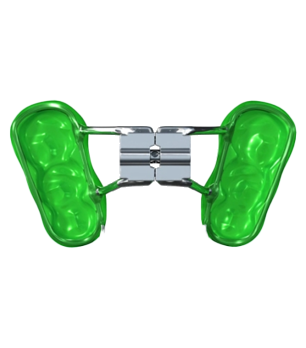
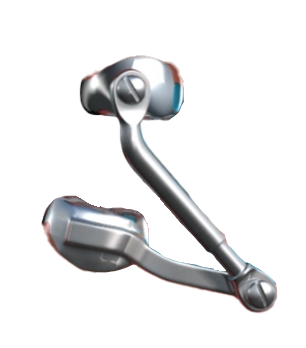
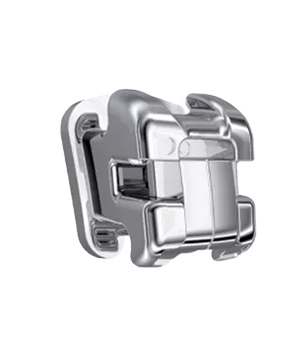
Growth Monitoring
Some children don’t need treatment right away. Instead, Dr Carolyn will monitor their development and recommend the ideal time to begin.

Dr Carolyn Ng — Specialist Orthodontist Hawthorn
Choosing a specialist orthodontist ensures your child receives expert care during these important developmental years.
Dr Carolyn Ng has extensive experience in interceptive orthodontics and understands how to guide jaw and tooth development in a way that supports long‑term health and confidence.
Early assessments allow Dr Carolyn to detect concerns before they escalate and to recommend treatment only when it will make a meaningful difference.
Her approach is gentle, thoughtful and tailored to each child’s needs, helping families make informed decisions about their child’s smile.
The information contained on this website is general in nature and does not cover all appliances or treatment modalities. It does not take into account your personal situation. Any surgical or invasive procedure carries risks. You should consider whether the information is appropriate to your needs, and where appropriate, seek advice from a dental professional.
Frequently Asked Questions About Early Orthodontic Treatment
Related Articles
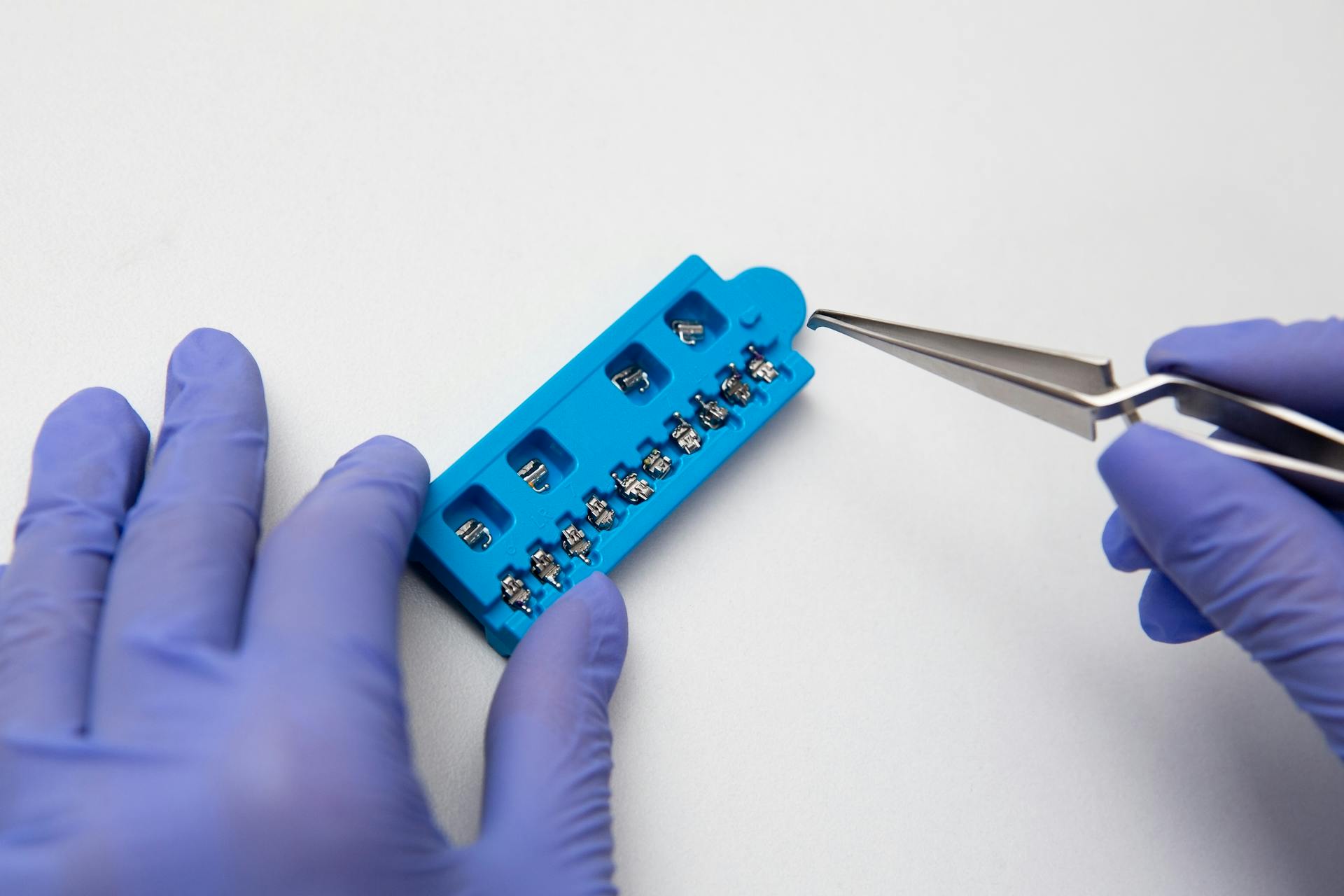
When Is the Right Time for Orthodontic Treatment?
The right time for orthodontic treatment depends on the individual rather than age alone. For children, timing is influenced by dental development and jaw growth. For adults, it is rarely too late. Here is what to understand at each stage of life.
Read more
Thumb and Dummy Sucking: What Parents Need to Know
Thumb and dummy sucking are normal in infants and young children, but prolonged habits beyond the age of four can affect how the teeth and jaw develop. Here is what parents need to understand and when to seek an orthodontic assessment.
Read more
Early Orthodontic Assessment for Children: What Parents Need to Know
The Australian Society of Orthodontists recommends a first orthodontic assessment by age seven — not because treatment always begins at that age, but because early assessment allows developing problems to be identified and managed at the right stage of growth. Here is what parents need to understand.
Read more
Orthodontist Hawthorn