

Specialist Orthodontist

Anchorage Devices in Hawthorn
Orthodontic treatment aims not only to straighten teeth but also to achieve proper alignment and balance within the entire facial structure.
Anchorage devices are revolutionary tools used in orthodontics to provide stable points of resistance for tooth movement.
They work by preventing unwanted movement of specific teeth while allowing targeted adjustments elsewhere.
This ensures that treatment progresses smoothly and effectively, leading to faster and more predictable outcomes.
How Anchorage Devices Work

Anchorage devices play a crucial role in this process by providing stable points of resistance, ensuring precise control over tooth movement.
There are various types of anchorage devices tailored to suit different treatment needs. Patients with complex orthodontic issues, such as severe crowding, protrusion, or asymmetry, often require the precision and stability that anchorage devices provide.
Additionally, individuals undergoing orthognathic surgery to correct jaw misalignments may benefit from these devices to aid in pre-surgical orthodontic preparation or post-surgical stabilization.
Dr Carolyn has undergone extensive training in the application and utilisation of anchorage devices and will discuss with you, the need and suitability of these types of devices in your orthodontic treatment plan.
Appliance Examples
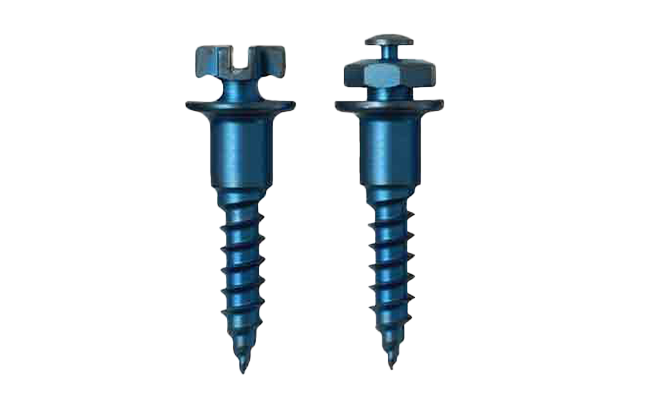
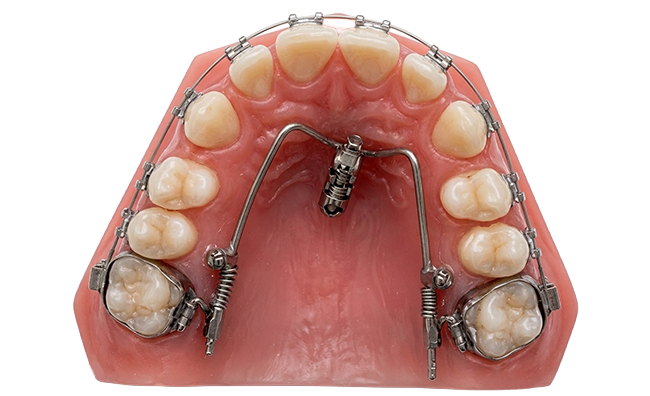
Anchorage devices take several forms depending on the type of tooth movement required. The most common is the Temporary Anchorage Device (TAD), a small titanium mini-screw placed directly in the jawbone. In some cases, TAD anchorage is used to support a more complex fixed appliance such as a distaliser, which moves entire groups of teeth rather than individual ones.
Temporary Anchorage Device
Distiliser Device

Dr Carolyn Ng — Specialist Orthodontist Hawthorn
Seeking treatment from a specialist orthodontist like Dr. Carolyn Ng ensures not only expertise but also personalized care tailored to your specific needs.
Dr. Carolyn's extensive training and experience enable her to design customized treatment plans that incorporate anchorage devices effectively, optimizing treatment outcomes while minimizing discomfort and treatment duration.
From initial consultation to final results, you can trust our team to guide you every step of the way on your journey to a healthier, more confident smile.
The information contained on this website is general in nature and does not cover all appliances or treatment modalities. It does not take into account your personal situation. Any surgical or invasive procedure carries risks. You should consider whether the information is appropriate to your needs, and where appropriate, seek advice from a dental professional.
Frequently Asked Questions About Anchorage Devices
Related Articles
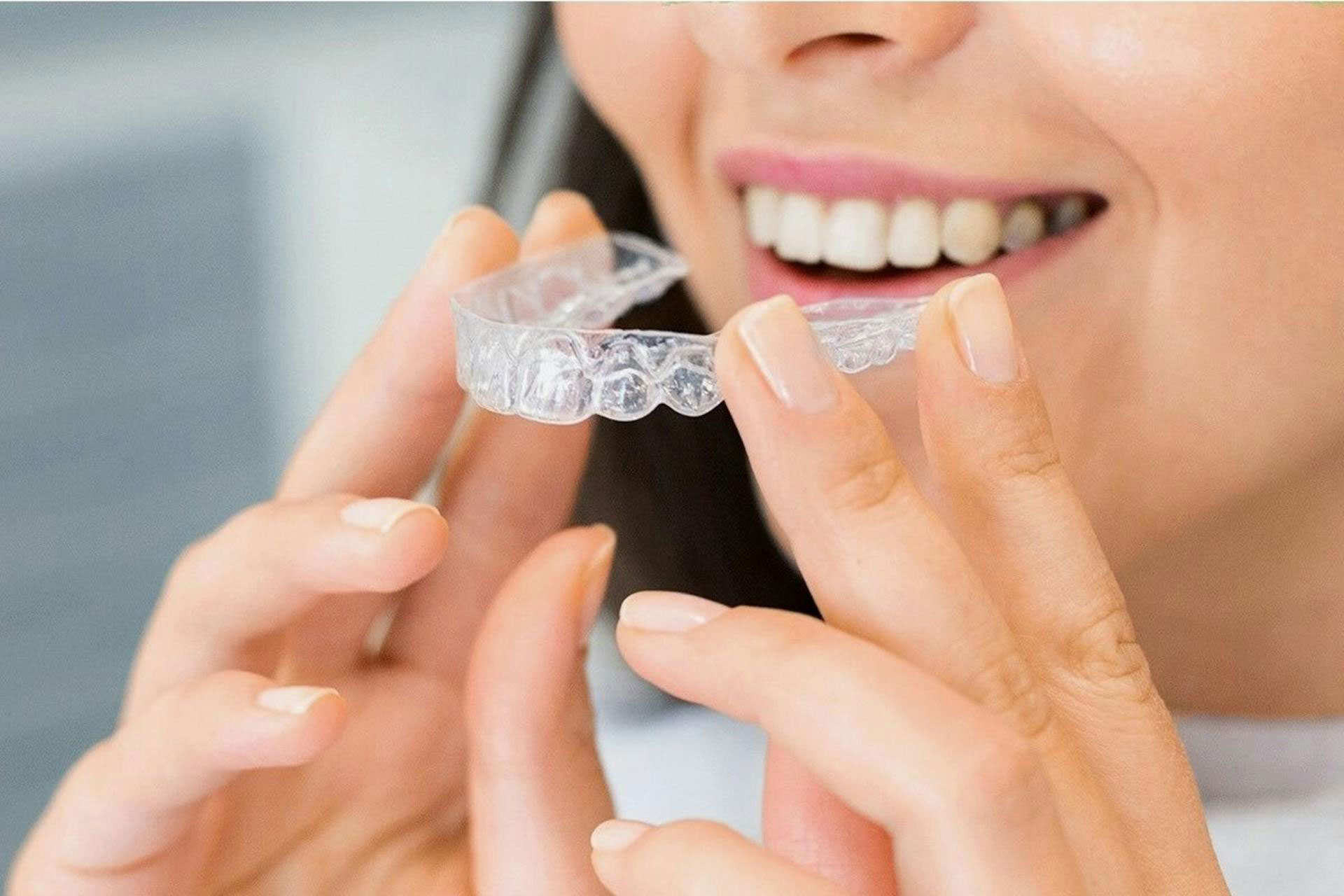
Retainers After Orthodontic Treatment: What You Need to Know
Retainers are an essential part of orthodontic treatment. Once active treatment ends, they maintain tooth position and prevent relapse. Here is what to expect and how to care for yours.
Read more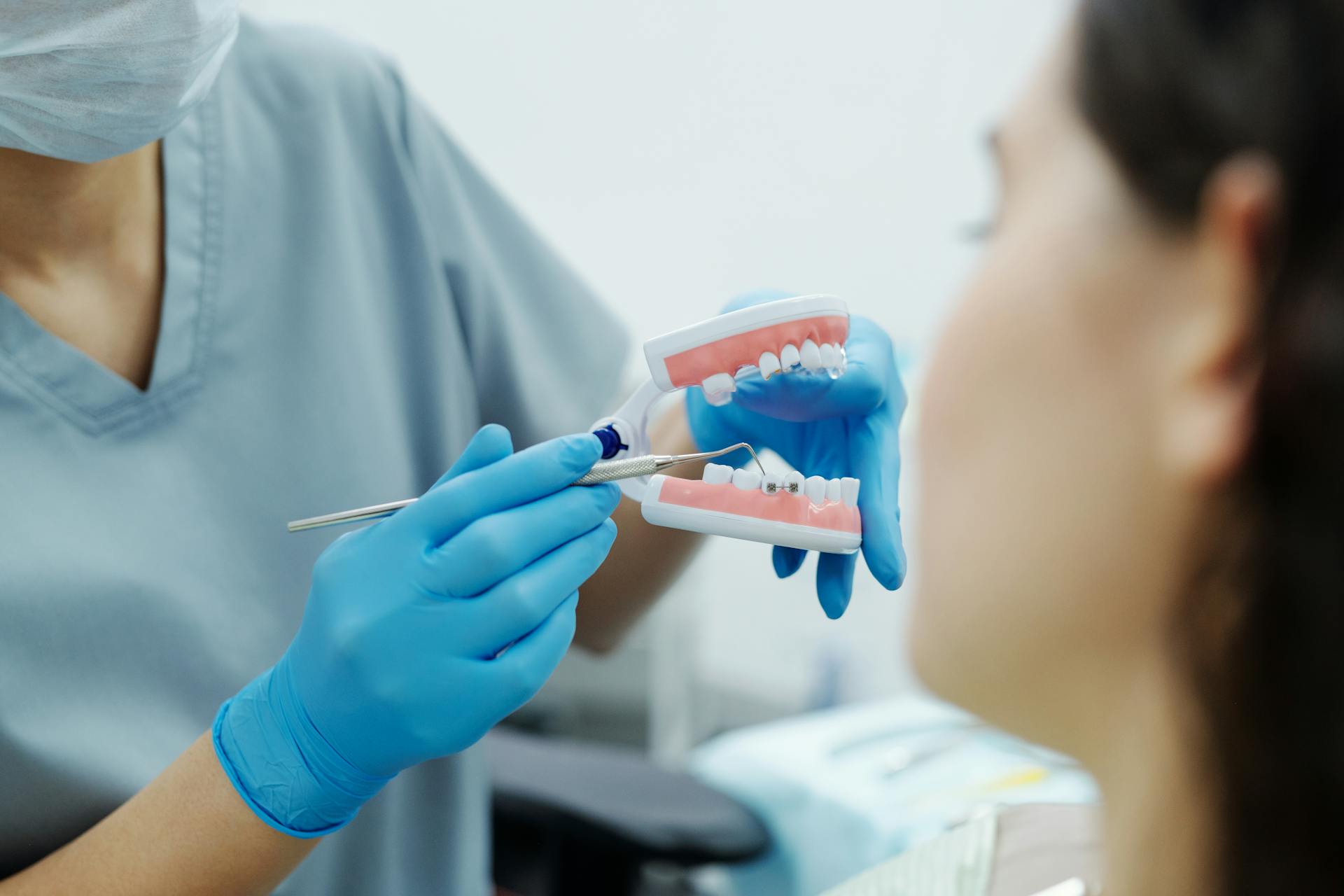
7 Fascinating Facts About Orthodontics
Orthodontics has a longer and more surprising history than most people realise. From ancient Egyptian dental bands to modern 3D digital treatment planning, here are seven facts that trace how the field has evolved.
Read more
Orthodontist Hawthorn