
Specialist Orthodontist

Orthodontic Retainers in Hawthorn
Orthodontic retainers are indispensable tools in maintaining the results achieved through orthodontic treatment.
Whether you've just completed braces or aligners, or you're looking to prevent teeth from shifting, retainers play a crucial role.
They act as a safeguard, preventing teeth from shifting back to their original misaligned state.
Retainers are typically worn as advised by an orthodontist, to ensure long-term stability and prevent orthodontic relapse.
What Types of Retainers Are There?
Retainers are essential for anyone who has completed orthodontic treatment. If you've invested in achieving a straighter smile, a retainer is what protects that result long-term.
There are three main types available, each suited to different needs and preferences.
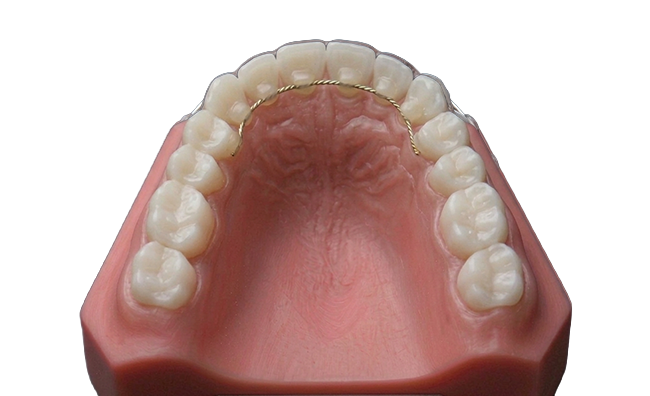
Fixed retainers, also called bonded or permanent retainers, are a thin wire affixed to the back of the front teeth. They provide continuous support without relying on the patient to remember to wear anything, making them particularly well suited to those who are prone to misplacing removable appliances.
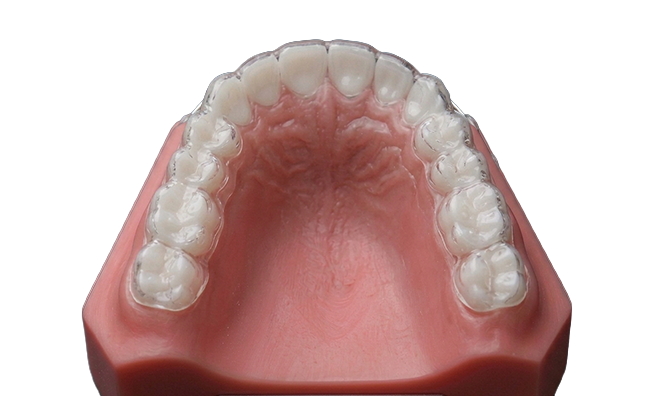
Removable clear retainers are custom-made trays that fit snugly over the teeth, similar in appearance to an aligner. They can be taken out for eating, brushing and special occasions, offering flexibility while still maintaining tooth alignment.
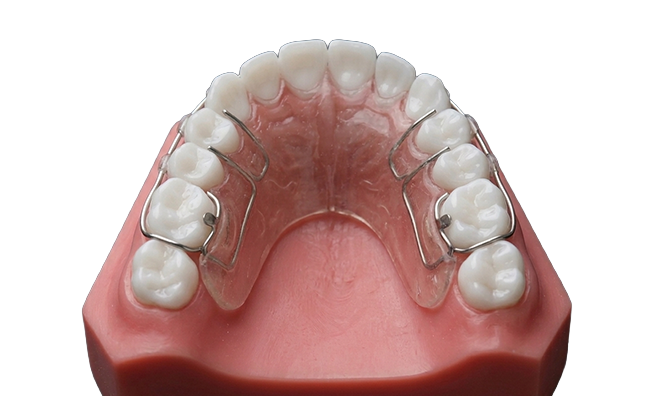
Hawley retainers are a removable acrylic plate with a wire that sits across the front teeth. They are durable, adjustable and easy to repair, making them a reliable long-term option for many patients.
Dr Carolyn will recommend the most appropriate retainer type, or combination of types, based on your treatment, your teeth and your lifestyle.
Why Do I Need to Wear Retainers?
Completing orthodontic treatment is a significant achievement, but it is not the finish line. Teeth are held in position by the surrounding bone and soft tissue, and both take time to fully stabilise after being moved. Without a retainer, teeth have a natural tendency to drift back toward their original positions. This is called orthodontic relapse.
Relapse is greatest in the months immediately after treatment, which is why retainers are typically worn full-time at first and then reduced to nights only over time. However, teeth move throughout life so long-term or even lifelong retainer wear is recommended.
Dr Carolyn will discuss a retainer plan with you at the end of your active treatment, including which type of retainer suits your case and how long and how often you should wear it.
Appliance Examples
Removable
Fixed
Hawley
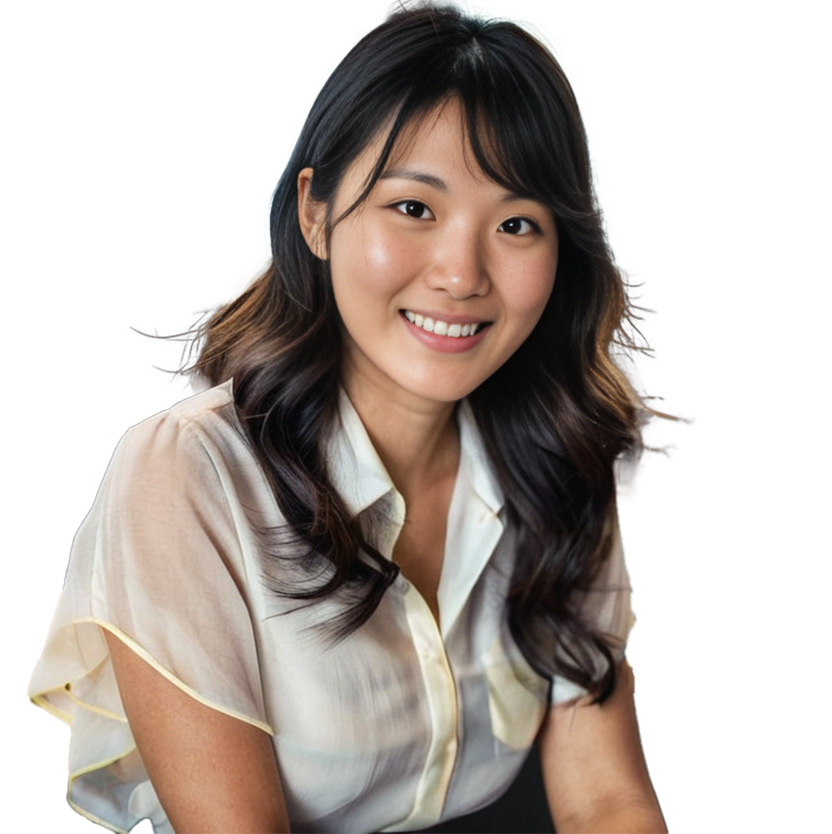
Dr Carolyn Ng — Specialist Orthodontist Hawthorn
Choosing a specialist orthodontist like Dr Carolyn Ng ensures that you receive the highest standard of care for your orthodontic needs.
As an orthodontist in Hawthorn, Melbourne, Dr Carolyn combines her expertise with state-of-the-art technology to deliver personalized treatment plans tailored to each patient's unique requirements.
Whether you're a teenager or an adult, Dr Carolyn is a strong advocate for retainers in their crucial role in minimising orthodontic relapse and maintaining good oral health.
The information contained on this website is general in nature and does not cover all appliances or treatment modalities. It does not take into account your personal situation. Any surgical or invasive procedure carries risks. You should consider whether the information is appropriate to your needs, and where appropriate, seek advice from a dental professional.
Frequently Asked Questions About Retainers
Related Articles
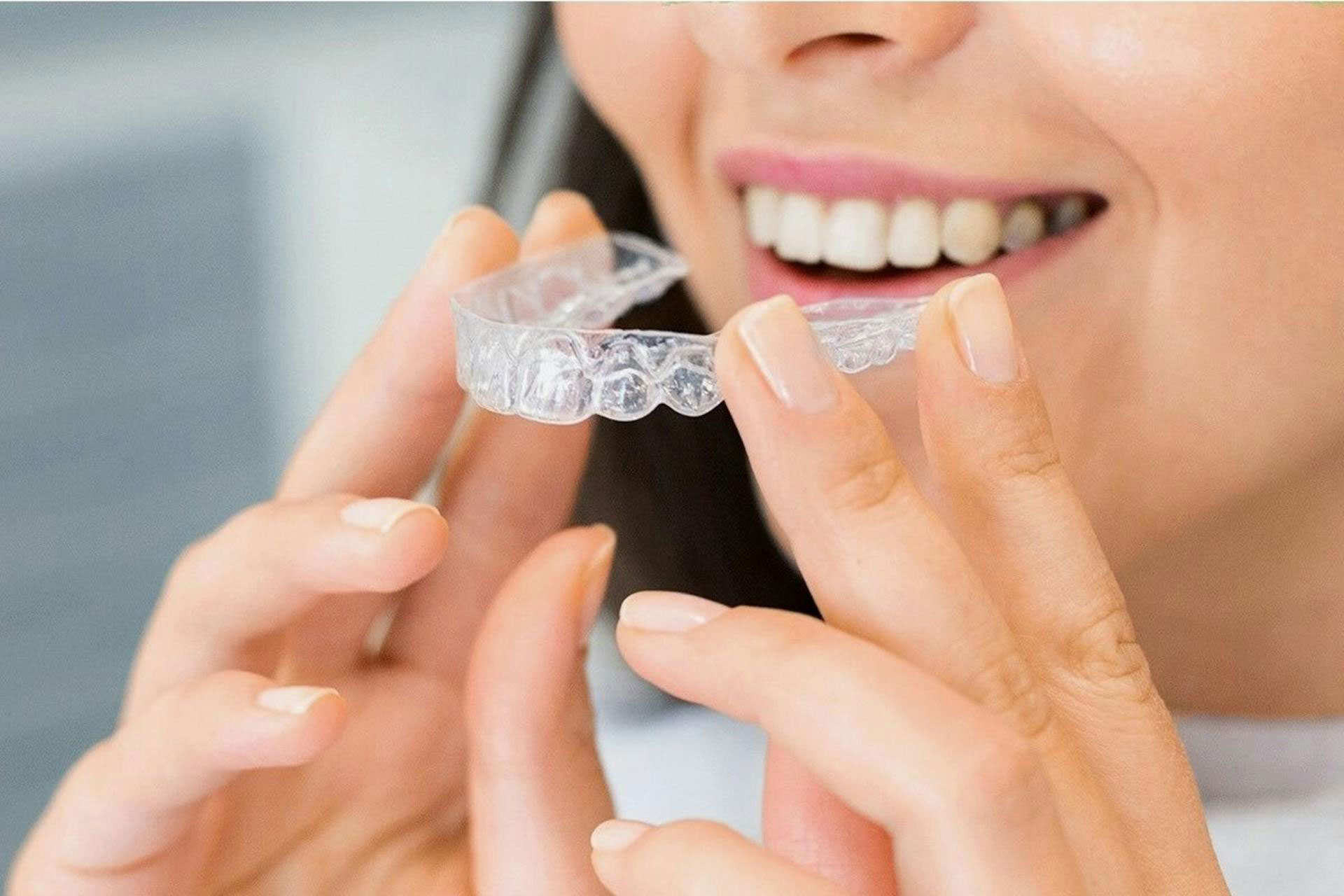
Retainers After Orthodontic Treatment: What You Need to Know
Retainers are an essential part of orthodontic treatment. Once active treatment ends, they maintain tooth position and prevent relapse. Here is what to expect and how to care for yours.
Read more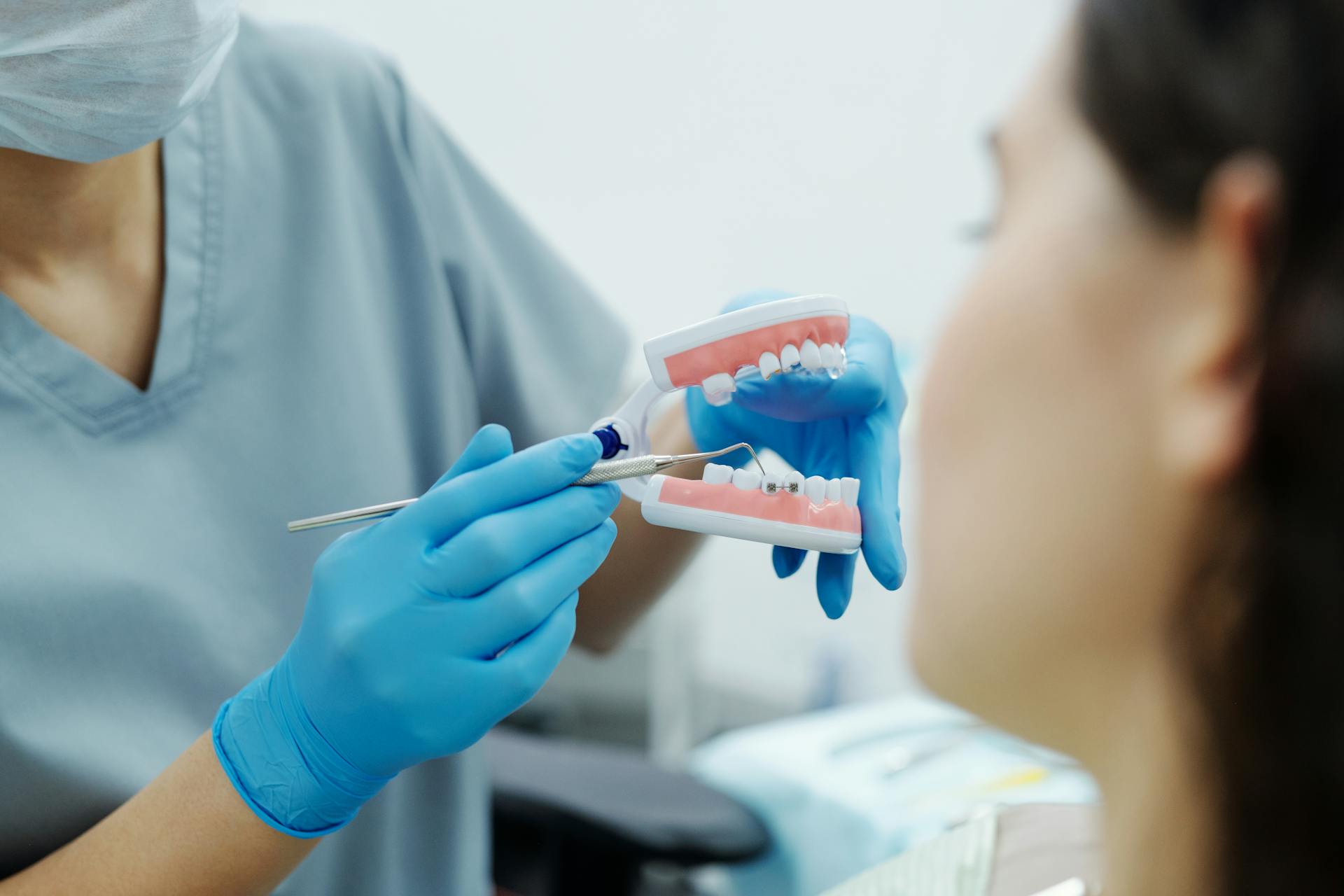
7 Fascinating Facts About Orthodontics
Orthodontics has a longer and more surprising history than most people realise. From ancient Egyptian dental bands to modern 3D digital treatment planning, here are seven facts that trace how the field has evolved.
Read more
Orthodontist Hawthorn